Wealth Creators

Blogs

New Zealand's housing downturn has exposed an uncomfortable truth about the way we build wealth

New Zealand housing downturn

For generations, New Zealanders have been encouraged to believe that financial security could be achieved through one simple strategy: buy property, hold onto it, and let time do the rest. It was a formula that served many people well. Rising house prices created unprecedented wealth, home ownership became synonymous with financial success, and property evolved from being one investment option into the investment strategy for countless households.

But as New Zealand’s housing market approaches what is shaping up to be one of the longest downturns in modern history, it’s worth asking whether one of our most deeply held financial assumptions still stacks up.

Financial advisers don’t recommend putting your retirement savings into one company because even the strongest businesses experience cycles. Nor would they suggest investing exclusively in one industry or one share market. Instead, successful long-term investing has always been built around spreading risk across different asset classes, industries and geographic regions to reduce exposure when one market inevitably underperforms.

Yet when it comes to property, many New Zealanders have done exactly the opposite.

For a significant number of households, the vast majority of their net worth is tied up in residential property, often within a single city and entirely dependent on the fortunes of the New Zealand economy. While prices were rising rapidly, that concentration didn’t feel like a risk because almost everyone appeared to be benefiting. Today’s market tells a different story.

Higher interest rates, softer capital growth, rising ownership costs and comparatively modest rental yields have all combined to challenge the long-held assumption that residential property alone can provide the financial security previous generations experienced. While many homeowners still have considerable equity, the current downturn has highlighted just how vulnerable household wealth can become when so much of it is concentrated in one market.

As someone who has spent years working in property investment, I’ve noticed a significant shift in the conversations people are having. Increasingly, investors aren’t asking where New Zealand’s next property hotspot might be. Instead, they’re questioning whether relying on one domestic market for the bulk of their long-term wealth is still the right approach and that conversation reflects a much broader change in investor thinking.

Diversification is no longer something reserved for institutional investors or high-net-worth individuals. It’s becoming increasingly accessible to everyday New Zealanders who are looking to build more resilient portfolios. For some, that may mean increasing exposure to international share markets or managed funds. For others, it may involve commercial property, infrastructure or private investments. Increasingly, however, overseas residential property is also becoming part of that discussion.

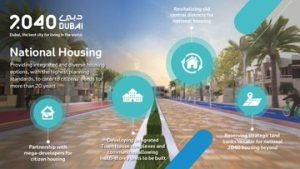
Markets such as Dubai and Bali have emerged as examples of how investors are beginning to think differently about where growth opportunities exist. These markets have been attracting attention because of their stronger underlying economic fundamentals, population growth and demand drivers.

Those conditions have created investment opportunities capable of generating rental yields well above those typically available in New Zealand. While local residential property often delivers gross yields of three to five percent, carefully selected developments in overseas markets have reported projected returns in the mid-to-high teens, alongside significantly stronger occupancy rates. Some accelerated international property markets are also experiencing capital growth cycles that have the potential to achieve in five to seven years what can often take 15 to 20 years in Australasia.

That doesn’t mean overseas property is a silver bullet, nor does it suggest every New Zealander should rush to invest offshore. But what these markets do illustrate, however, is that wealth creation has become increasingly global.

Investors around the world have long recognised the value of geographical diversification. In countries such as the United States, Singapore and much of Europe, it’s entirely normal for investors to spread their capital across multiple countries and asset classes, understanding that economic cycles rarely move in perfect synchronisation. When one market slows, another may be growing.

New Zealanders have traditionally taken a different approach, and that’s understandable. We have an emotional connection to housing that extends well beyond financial returns. Home ownership has become woven into our national identity, and for many people property represents security, stability and success.

But emotional attachment shouldn't prevent us from asking difficult questions about financial resilience.

If the last few years have demonstrated anything, it’s that no market is immune from changing economic conditions. Interest rates can rise, government policy can shift, affordability can deteriorate and growth can stall for longer than many people expect. Building an investment strategy around the assumption that one market will always outperform leaves households vulnerable to exactly the kind of prolonged downturn New Zealand is currently experiencing.

Perhaps the greatest lesson from this cycle isn’t that property has stopped being a good investment. Rather, it’s that expecting any single investment to carry the full weight of our financial future has always been asking too much.

The conversation New Zealand needs to have in 2026 isn’t whether property is still worth owning. It’s whether we’ve become so financially and emotionally attached to one market that we’ve overlooked the benefits of building truly diversified wealth.

Because resilient portfolios aren’t built by placing every bet on one economy, no matter how familiar it feels. They are built by recognising that opportunity, like risk, rarely exists in just one place. And in an increasingly connected world, the smartest investment strategy may not be choosing between New Zealand property and overseas opportunities, but understanding how both can work together as part of a broader, more balanced approach to long-term wealth creation.

The family home can, and should, remain an important part of wealth creation. But perhaps it’s time we stopped expecting it to be our entire retirement plan.


Reserve Your VIP Seat

Share:

Read more like this

Scroll to Top

Book Strategy Call

Your information is 100% confidential and will never be shared. This masterclass is strictly limited to qualified investors. 

Copyright © Wealth Creators 

This event and its contents are the exclusive intellectual property of Wealth Creators and may not be used or shared without prior written consent from the company.